Diesel diagnostics
Instrumented, documented, explained. No-starts, derates, and warning lights resolved at the truck with the reasoning on record.
Huntsville runs on precision: aerospace schedules, defense logistics, and a growth curve that keeps adding freight to a valley that used to be quiet. The trucks serving all of it deserve better than a day lost to a shop queue. Huntsville Super Mobile Truck Repair works at the equipment, in the yards off I-565, the research park loading docks, and the distribution spread that follows the rooftops north and west.
Engines tested, air systems renewed, trailers repaired, tires managed, wiring proven, and fleets documented to the standards this town considers normal.
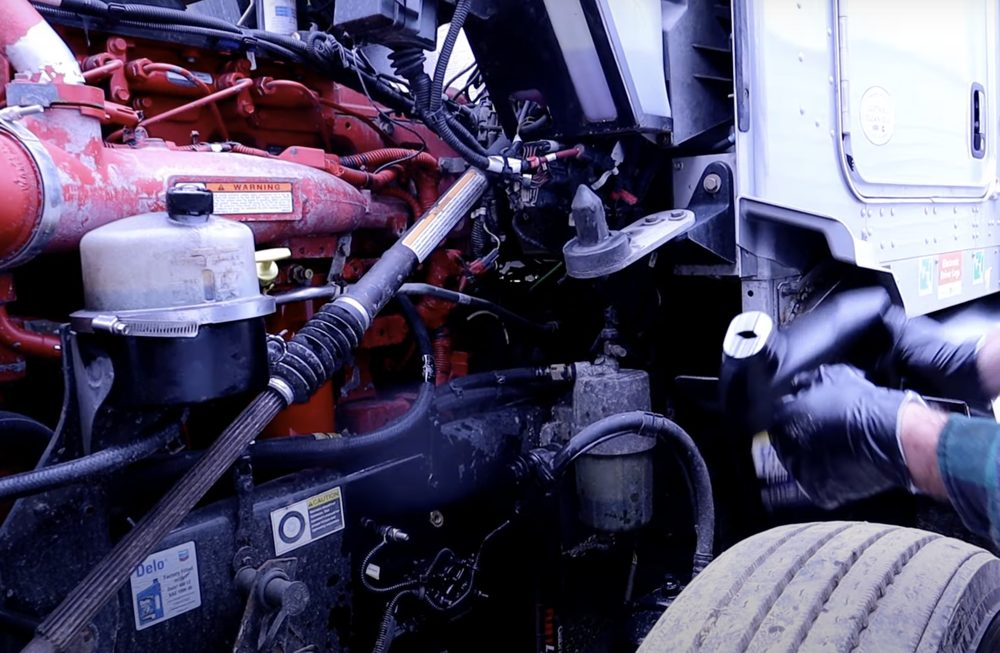
Instrumented, documented, explained. No-starts, derates, and warning lights resolved at the truck with the reasoning on record.
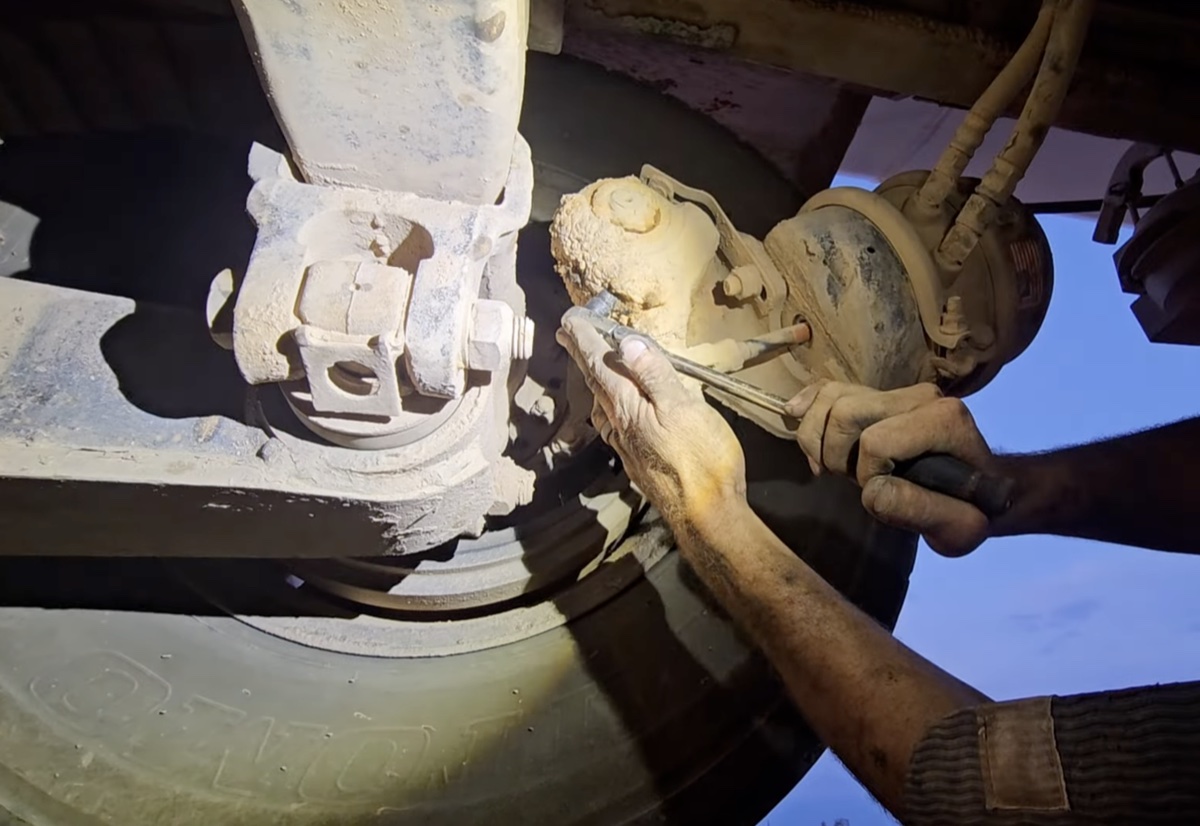
Valley grades and city traffic both audit brakes. We renew the hardware and hand back stroke inside the card.
Circuits, plugs, air, doors, legs, and securement gear, worked at the dock or yard.
Load tests before verdicts, charging paths verified, and the humidity-aged connectors found before they strand a route.
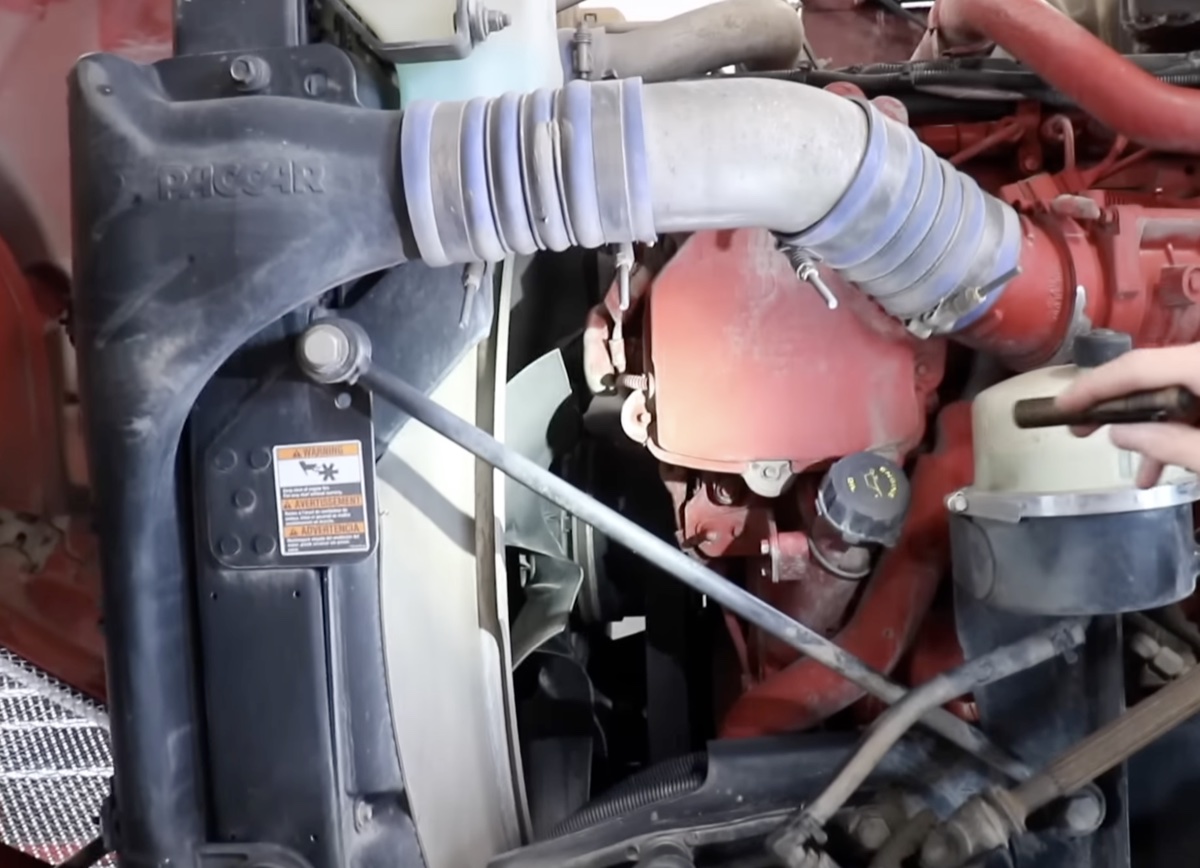
Heat-margin pressure work, swaps, and repairs at the truck, duals treated as the pair they are.
Audit-grade records, calendar rotations, and storm-season readiness built in.
The failure, the location with gate detail where it applies, the cargo, and the mobility. Output: a working diagnosis, a clear on-site-or-bay call, and a window quoted against valley traffic. Photos sharpen everything and fault codes sharpen it further.
This is an engineering town, so when you want the technical reasoning, you get it. When you just want the truck running, you get that instead. Both answers are the same repair.
I-565 is the local spine, running from the I-65 interchange through the heart of the tech corridor. Around it: the research park's logistics side, the older industrial base off Memorial Parkway, the airport cargo operations, and the boomtown spread toward Madison, Athens, and Meridianville. US-72 carries the east-west load and the mountain edges add grades that keep brake work honest.
Defense and aerospace facilities bring access protocols we treat as routine: gates, escorts, and documentation handled as part of the job, not friction around it.
The valley's contractor and facility-support fleets run schedules tied to programs that do not slip, and their maintenance gets planned with the same seriousness: yard rotations, unit records that survive audits, and flags raised early. Distribution fleets riding the growth get calendars matched to their waves. Owner-operators get the identical craft, sized to one truck.
Every visit ends in a documented verdict. In a town that reviews everything, our paperwork holds up.
Within each facility's vendor protocols, yes, and we treat the protocols as part of the job. State the access rules when you call and the choreography gets handled before the truck rolls.
The whole valley spread. New parks and new yards get the same windows as the established ones, quoted from our truck's real position.
One call, full list, route priorities stated. We clear it in a planned pass and flag what the storm weakened for next time.
That is our default, not an upgrade. Every visit produces documentation a compliance reviewer can use, because half this valley's work gets reviewed.
The cargo-side yards and approaches, yes, with the timing discipline air freight expects.
Trip priced before departure, merged into the repair when work proceeds, settled at the truck by card or account. Bay verdicts on the phone cost nothing.
The industrial river corridor is standard territory, quoted with real miles. Plant gates and dock schedules get the same protocol treatment as the research facilities.
A yard sweep before the season: batteries, wipers, lighting, tires, and the loose items wind finds first. Plus a standing plan for the post-storm morning, which in this valley is not hypothetical.
Identical. One truck generates one record, kept with the same care, and more than one solo operator has used our paperwork to support a warranty claim that would otherwise have been a shrug.
The climate runs southern: months of damp heat that push batteries, hoses, and tires toward early retirement ahead of their calendars, punctuated by winter snaps just cold enough to embarrass unprepared fleets. Spring storm season is the wildcard, dropping power and trees with equal enthusiasm, and the post-storm mornings bring yard triage runs and debris-cut tires. Our stock follows that script season by season.
The growth adds its own signature: new routes, new drivers, new duty cycles, and equipment learning the valley the hard way. When failures start forming patterns, we name the pattern instead of just billing the parts, because a planning fix beats a fourth alternator.
The valley's grades earn a note as well: the ridge climbs around the metro run short but honest, and brakes or cooling systems already at their margins announce it there first. Route planners who ask get our plain read on what their equipment can carry over which hill, which is the kind of question this town appreciates being asked precisely.
Airport cargo timing rounds out the local picture: air freight runs on cutoffs that make vessel schedules look relaxed, and the cargo-side yards get windows quoted with that arithmetic in front.
North Alabama can run seventy degrees and an ice warning inside the same February week, and fleet maintenance here has to hedge both directions at once. Our rotations do: batteries and air dryers treated like the winter matters, cooling systems treated like the summer is already loading, and the storm kit permanently aboard. The valley's weather commits to nothing, so the preparation commits to everything.
Monte Sano and the ridges that frame this valley add grade work to an otherwise polite geography, and US-431's climbs collect their share of cooked brakes and hot engines. Grade calls get the same treatment mountain towns give them: stroke checks before descents get trusted, cooling verdicts before climbs get attempted, and no bravado anywhere in the conversation.
Every crane on this skyline was fed by flatbeds, every new lab stocked by box trucks, and every subdivision built from trailers that somebody kept rolling. The valley's boom is a freight story wearing a technology costume, and the equipment underneath it deserves maintenance as serious as the programs it supports. That is the niche, and we hold it with paperwork to match.
Behind every launch window and delivery milestone in this valley sits a supply chain of ordinary trucks doing extraordinary scheduling. When one fails, the program does not care that it was just a battery. We service that reality with proportional seriousness: fast response, documented work, and verdicts that program managers can build around. The rockets get the headlines. The freight gets us, and the arrangement works.
Huntsville grows like a Texas suburb but thinks like a laboratory, and its maintenance expectations follow suit. Work here gets checked, records get read, and reputations compound with the interest rates of a small town wearing a big town's growth. We built for that audience on purpose: torqued, tested, documented, explained. Boring excellence, delivered at the truck.
Gate or exit, failure, cargo, deadline. Verdict, window, technician rolling. Precision optional, honesty standard.